

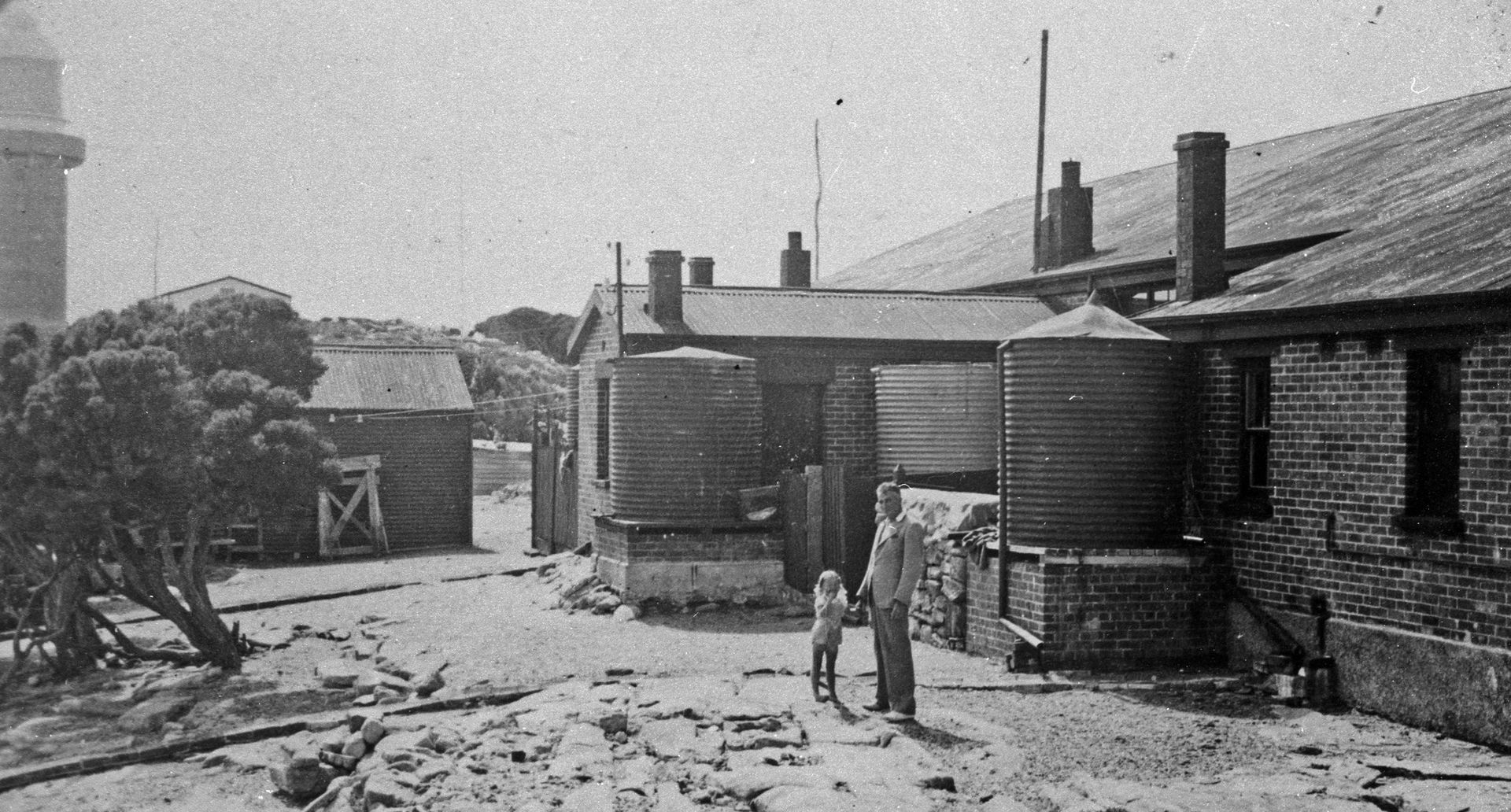
Life on one of Western Australia’s most isolated stations
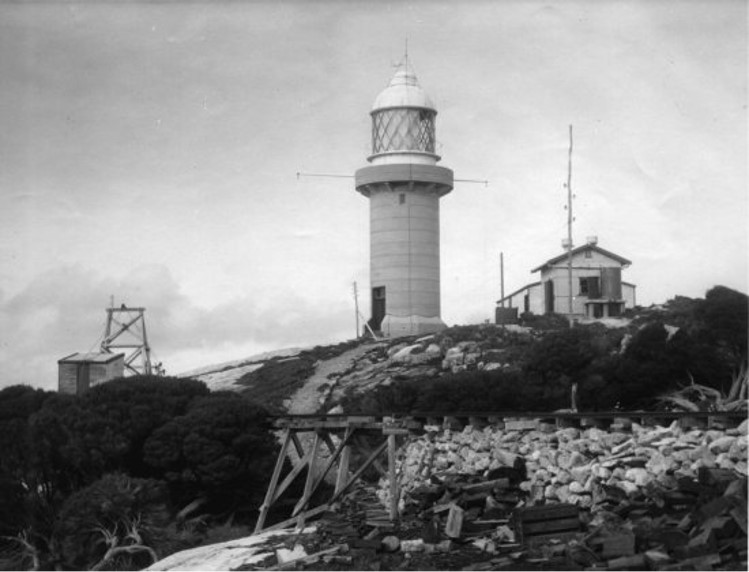
Story
Eclipse Island Lighthouse
A beacon guiding ships along the southern coast
Off the coast of Albany lies Eclipse Island, a small rocky island exposed to the powerful winds and seas of the Southern Ocean. For much of the twentieth century, a lighthouse on this remote island played a vital role in guiding ships safely along Australia’s southern coastline.
The island sits about eight kilometres south-south-west of Albany and rises steeply from the ocean to a height of around 108 metres above sea level. Its rugged cliffs and exposed position made it an ideal place for a lighthouse, though the harsh weather and isolation also made life there challenging.
Building the Lighthouse
Plans for a lighthouse to guide ships along this dangerous stretch of coast began in the early 1900s. The light on nearby Breaksea Island had become less effective as larger vessels travelled further south along the coast. After investigations, engineers recommended a new lighthouse on Eclipse Island.
Construction finally began in the 1920s, with the lighthouse officially established on 1 July 1926. Workers built an 11-metre circular ferro-concrete tower at the highest point of the island. A brick residence was also constructed nearby to house the lighthouse keepers and their families.
At the heart of the lighthouse was a powerful light system built in England by Chance Brothers, specialists in lighthouse optics. The light used vaporised kerosene burning in an incandescent mantle, magnified through large rotating glass lenses. These lenses were around three metres high and produced a distinctive beam pattern that helped sailors identify the lighthouse along the coast.
Life on a Remote Island
For the lighthouse keepers stationed there, life on Eclipse Island was both demanding and isolated. A head keeper and two assistants worked in shifts to ensure the light was maintained and operating every night.
Their duties included maintaining the equipment, recording weather conditions, and communicating with the mainland about shipping movements. Supplies such as food, fuel and equipment were transported by boat from Albany, often in difficult seas.
The island itself supported a surprising range of wildlife. Sea lions and fur seals were frequently seen around the island’s rocky shores, while seabirds such as penguins, petrels and shearwaters nested there in large numbers.
Automation and Change
The lighthouse remained a manned station for around fifty years, until technological advances allowed the light to be automated in 1976. After automation, the keepers were no longer needed on the island.
Although the light on Eclipse Island still shines, its role has changed over time. A newer lighthouse built on the mainland at Cave Point now serves as the main coastal navigation light for the area.
Today, the story of Eclipse Island Lighthouse offers a glimpse into a unique chapter of maritime history — when dedicated lighthouse keepers worked in remote places to guide ships safely along Western Australia’s rugged coast.
MAKE IT YOUR OWN
The story continues.
THERE’S ALWAYS MORE TO DISCOVER
Keep exploring.
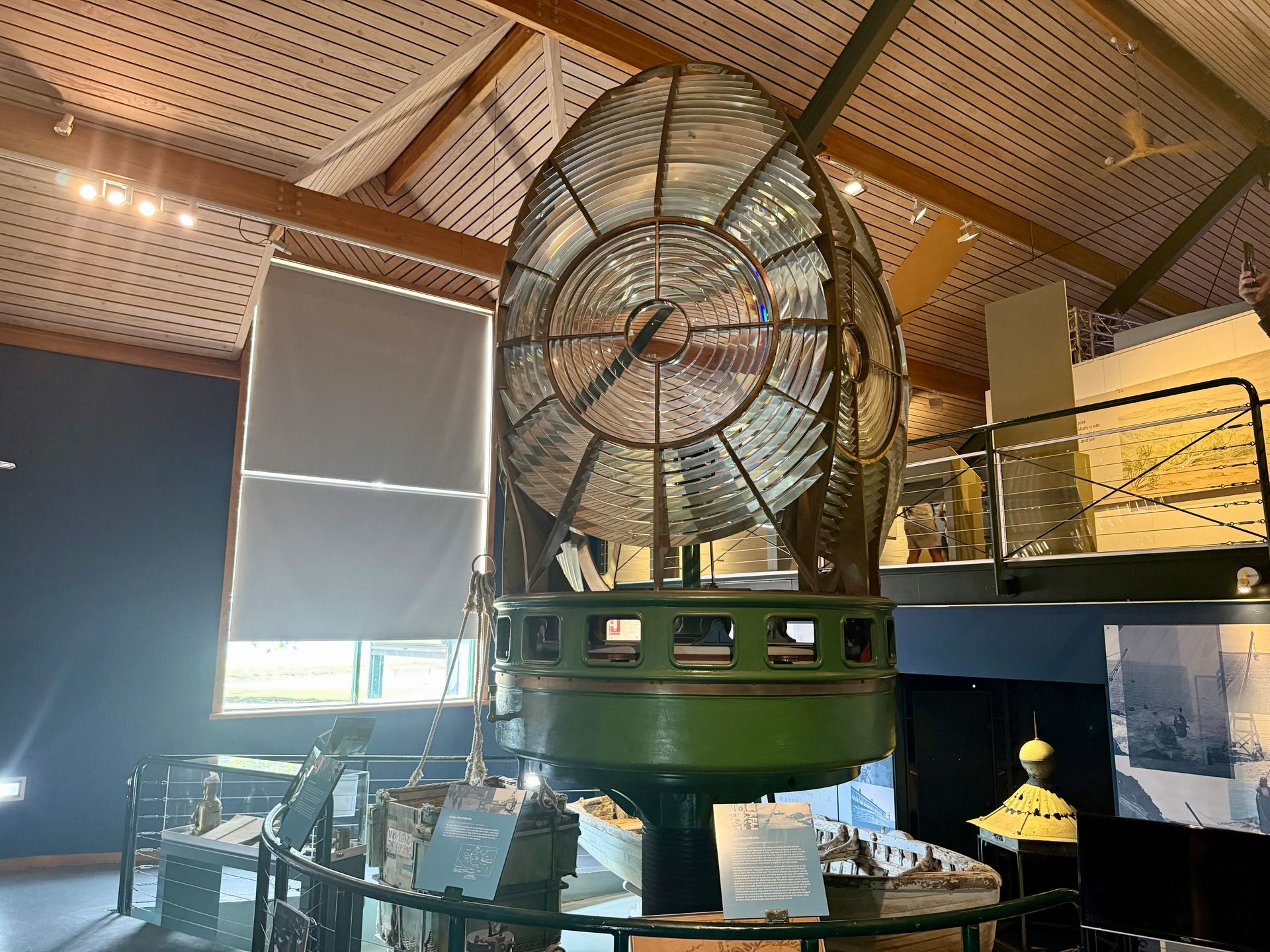
A beacon of maritime navigation history.
Eclipse Island Lighthouse Optic
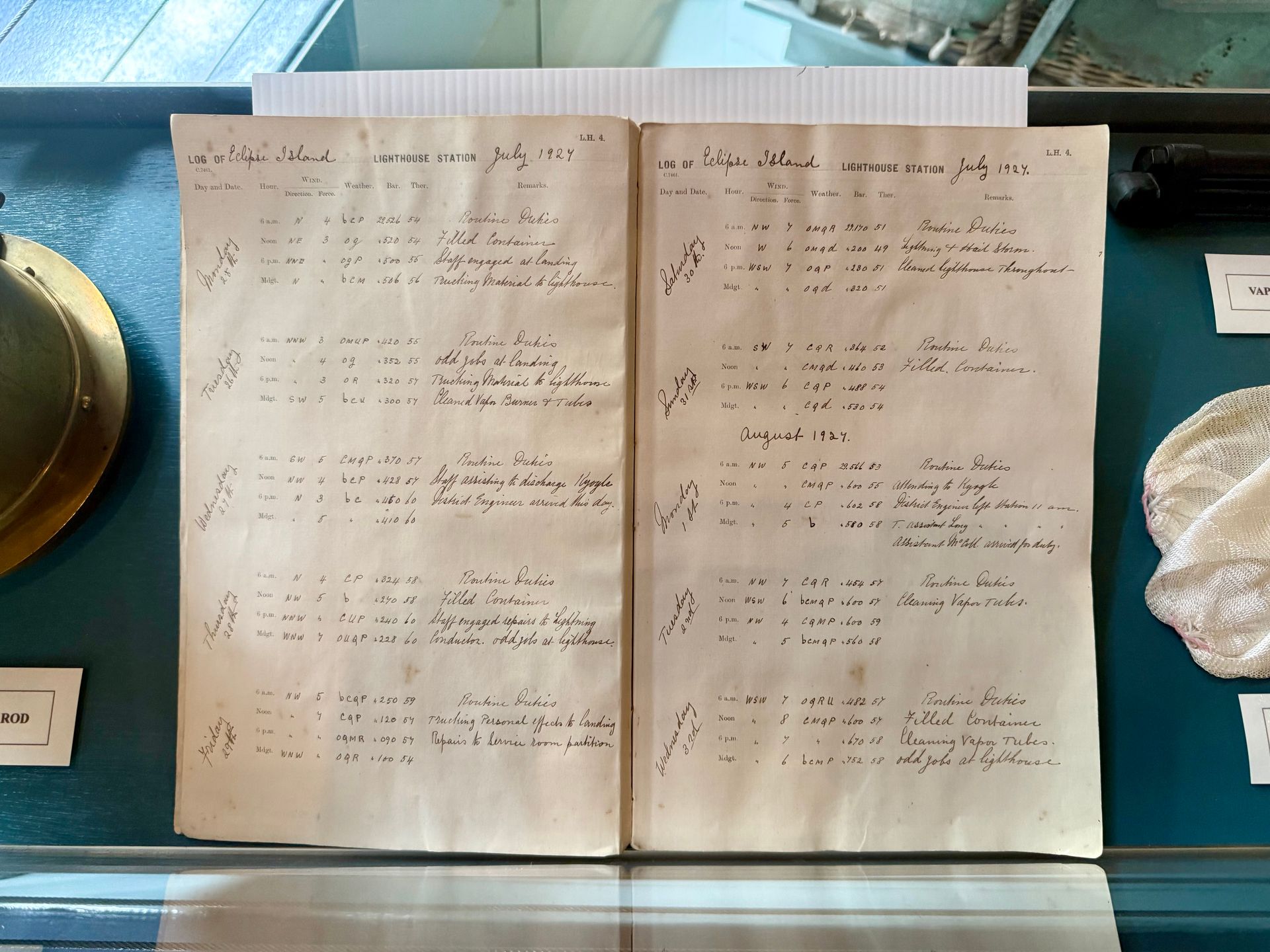
Tracking Maritime History and Navigation