

A beacon of maritime navigation history.
Story
The Lighthouse Keepers
Life on one of Western Australia’s most isolated stations
For many decades, the safe operation of Eclipse Island Lighthouse depended on the skill and dedication of its lighthouse keepers. These men were responsible for maintaining the powerful light that guided ships along the southern coast of Western Australia.
The station was staffed by a head keeper and two assistant keepers, who lived on the island with their families. Their duties required constant attention. Each night the light had to be carefully prepared, monitored and maintained to ensure it remained bright and reliable for passing ships.
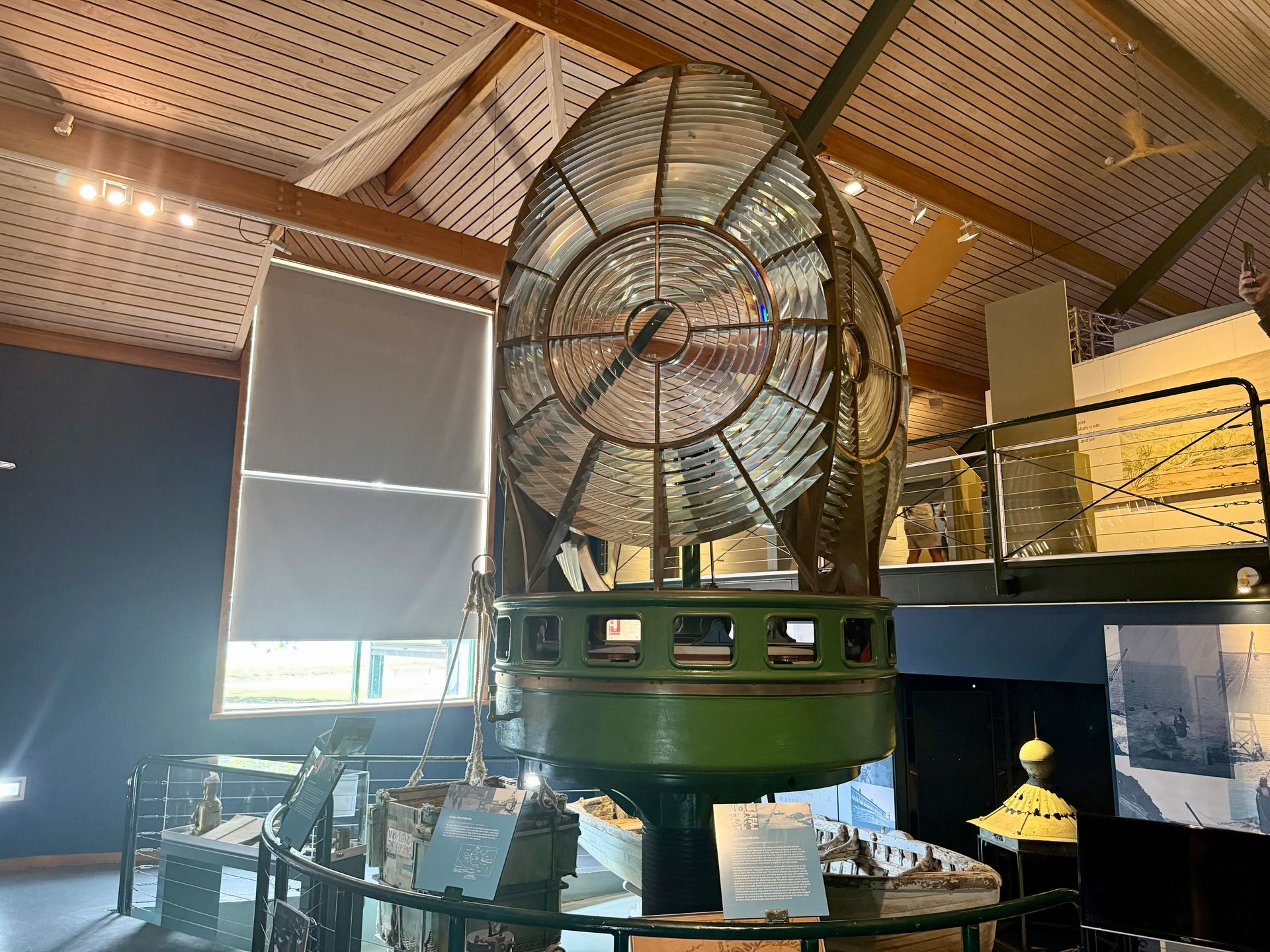
The keepers worked in rotating shifts so the lighthouse could be supervised at all times. Their responsibilities included maintaining the lamp and lens system, cleaning the equipment, checking fuel supplies and recording weather conditions. Accurate weather observations were particularly important and were regularly sent to the mainland.
Life on Eclipse Island was both isolated and demanding. Supplies such as food, fuel and building materials had to be transported by boat from Albany, often in difficult sea conditions. In the early years, communication with the mainland was maintained through a telephone cable connected to Albany, which was later replaced by radio communication.
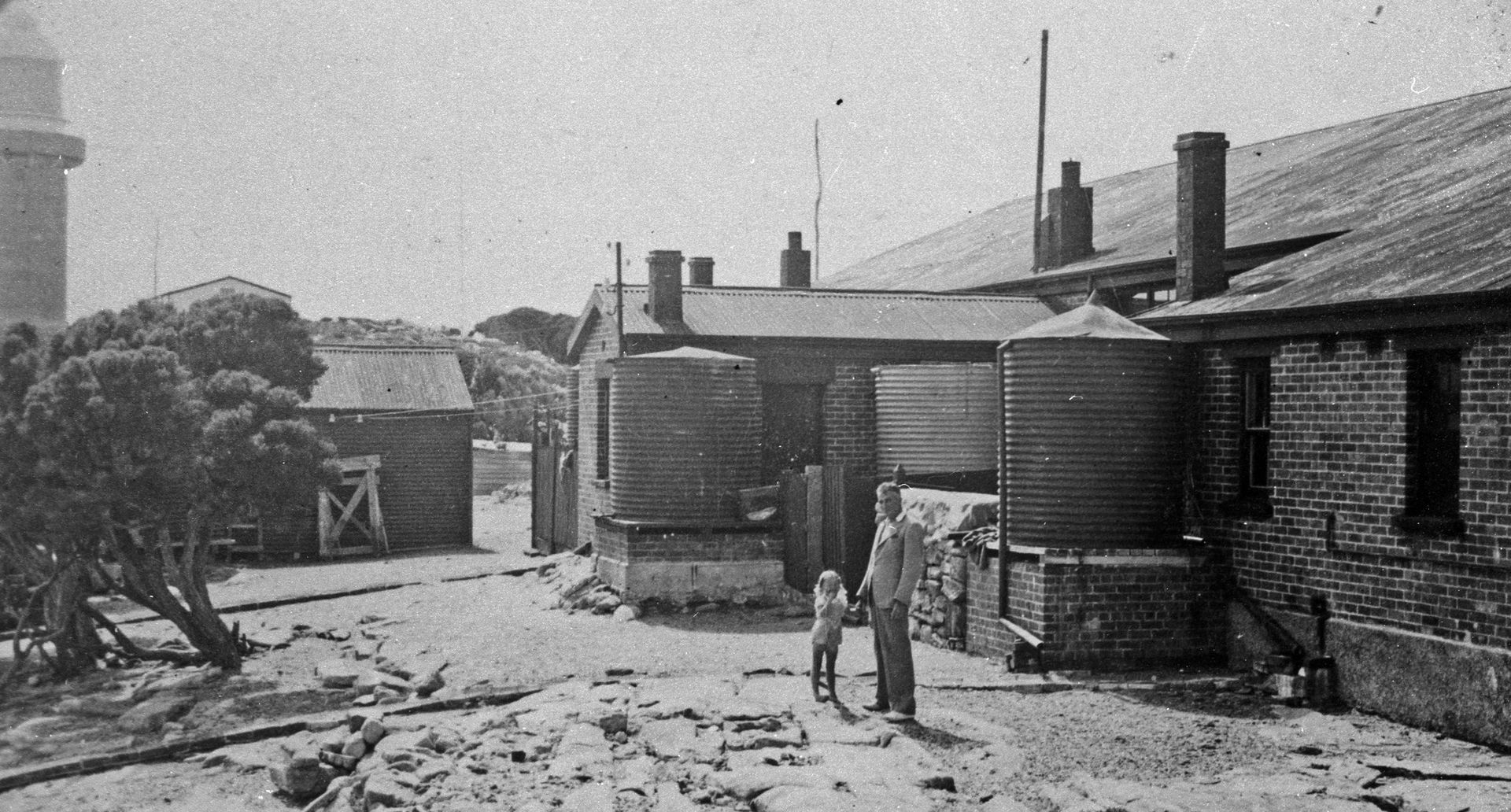
Despite the challenges, the lighthouse community developed its own routines and way of life. Families lived in cottages built near the lighthouse tower, and children growing up on the island experienced a unique environment surrounded by sea, wildlife and rugged landscape.
The station remained a manned lighthouse for around fifty years, until advances in navigation technology allowed the light to be automated in 1976. With automation, the keepers were no longer required to live on the island, bringing an end to a distinctive chapter in Australia’s maritime history.
The story of the Eclipse Island lighthouse keepers reminds us of the dedication and resilience of the people who once worked in some of the most remote places in the country to help keep sailors safe.
MAKE IT YOUR OWN
The story continues.
THERE’S ALWAYS MORE TO DISCOVER