

Timbers telling a tale
Collection
Batavia Timbers
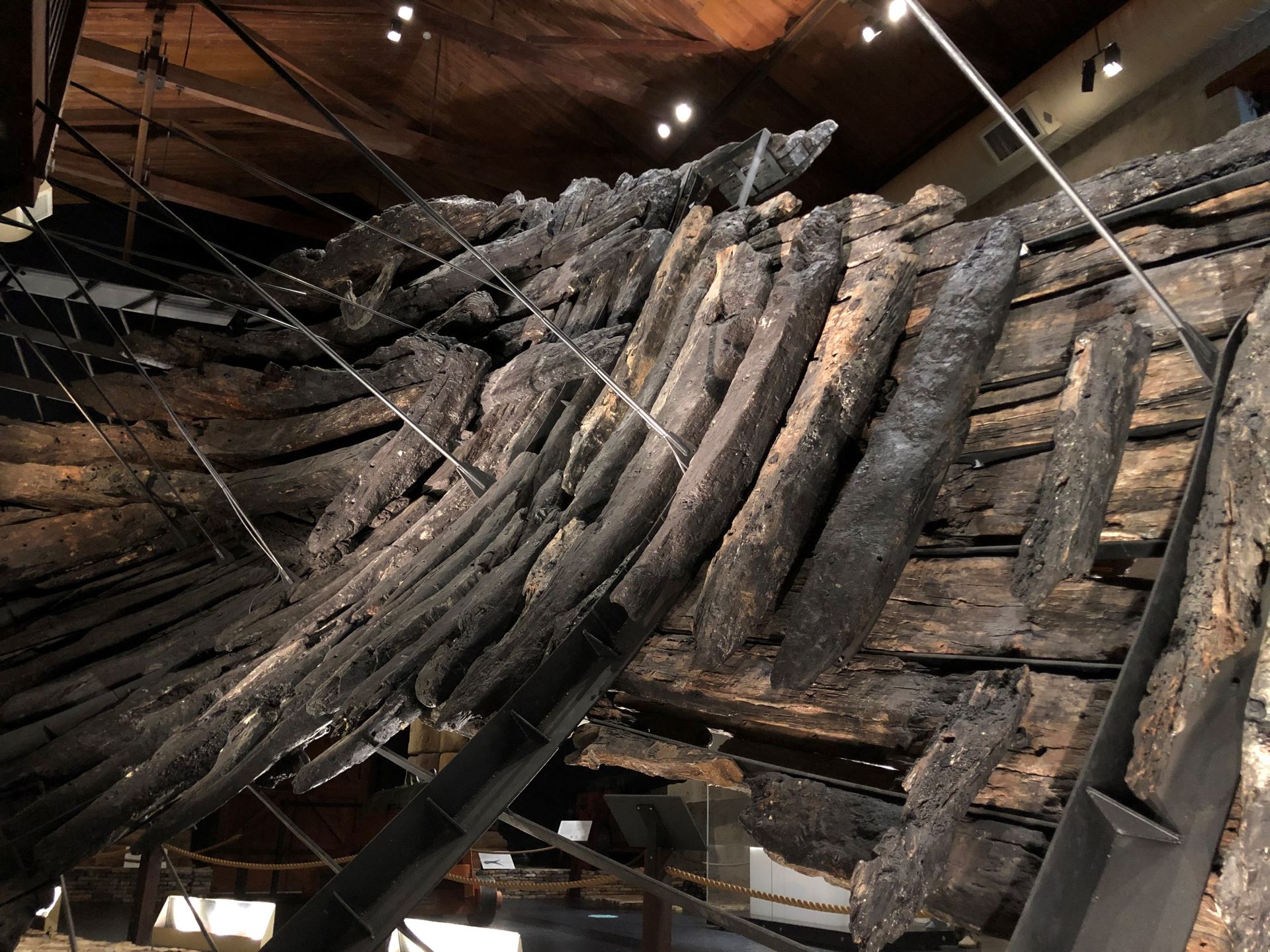
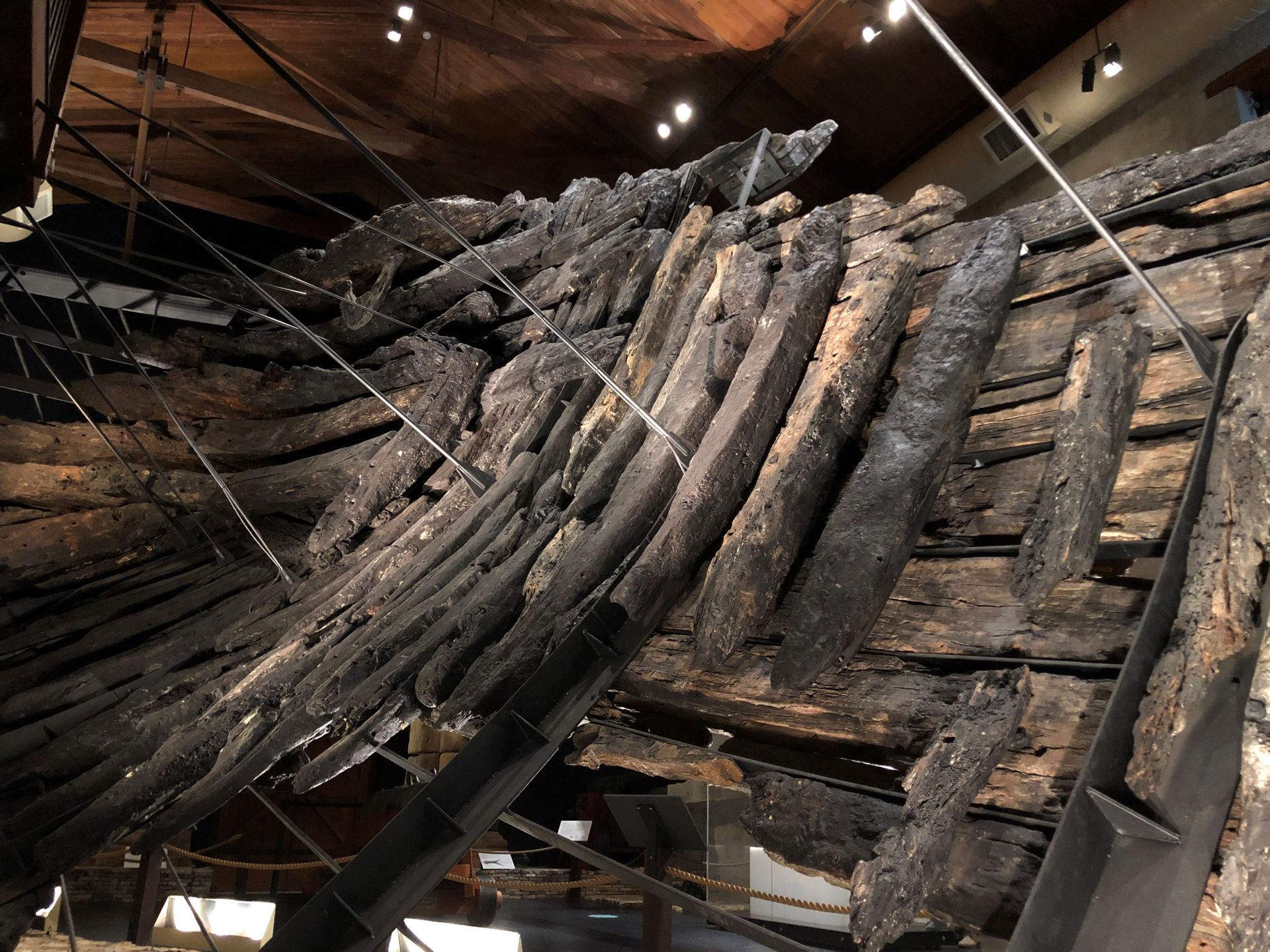
The timbers in front of you are part of the Dutch East Indiaman Batavia - wrecked in the Houtman Abrolhos islands in 1629. These stern and port side timbers were the only part to survive the 343 years of immersion
The ship heeled over onto its port side when it was wrecked and the weight of the cargo helped trap this stern section in the underlying coral. We know from accounts of survivors that the vessel broke up within weeks but this section was miraculously preserved
In 1972. when maritime archaeologists began excavating the site, the timbers were discovered buried in sand and coral. Following a painstaking archaeological recording and recovery of the hull, the timbers were shipped to Fremantle, where conservation treatment began.
If waterlogged wood is allowed to dry out, it cracks, shrinks, warps and in some cases, crumbles to a mass of splintery fibres.
To prevent the disintegration of the Batavia timbers, most of the water in the wood was progressively replaced with polyethylene glycol (PEG), a water-soluble wax. The process which took many years to complete, was carried out in large, heated, impregnation tanks. Following impregnation, the timbers were slowly dried out over a period of 10-12months.
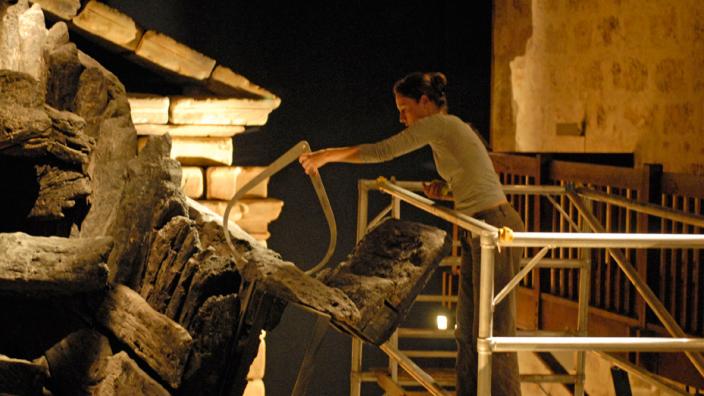
The treated timbers were reconstructed in this gallery on a specially designed steel support structure. The temperature and humidity has to be carefully controlled to ensure that the conserved timbers remain stable. Each timber is held in place using stainless steel fastenings driven into the original bolt holes. No new holes have been drilled in the wood, and at any time individual timbers can be removed for further treatment.
MAKE IT YOUR OWN
The story continues.
THERE’S ALWAYS MORE TO DISCOVER
Keep exploring.
FOLLOW YOUR CURIOSITY