

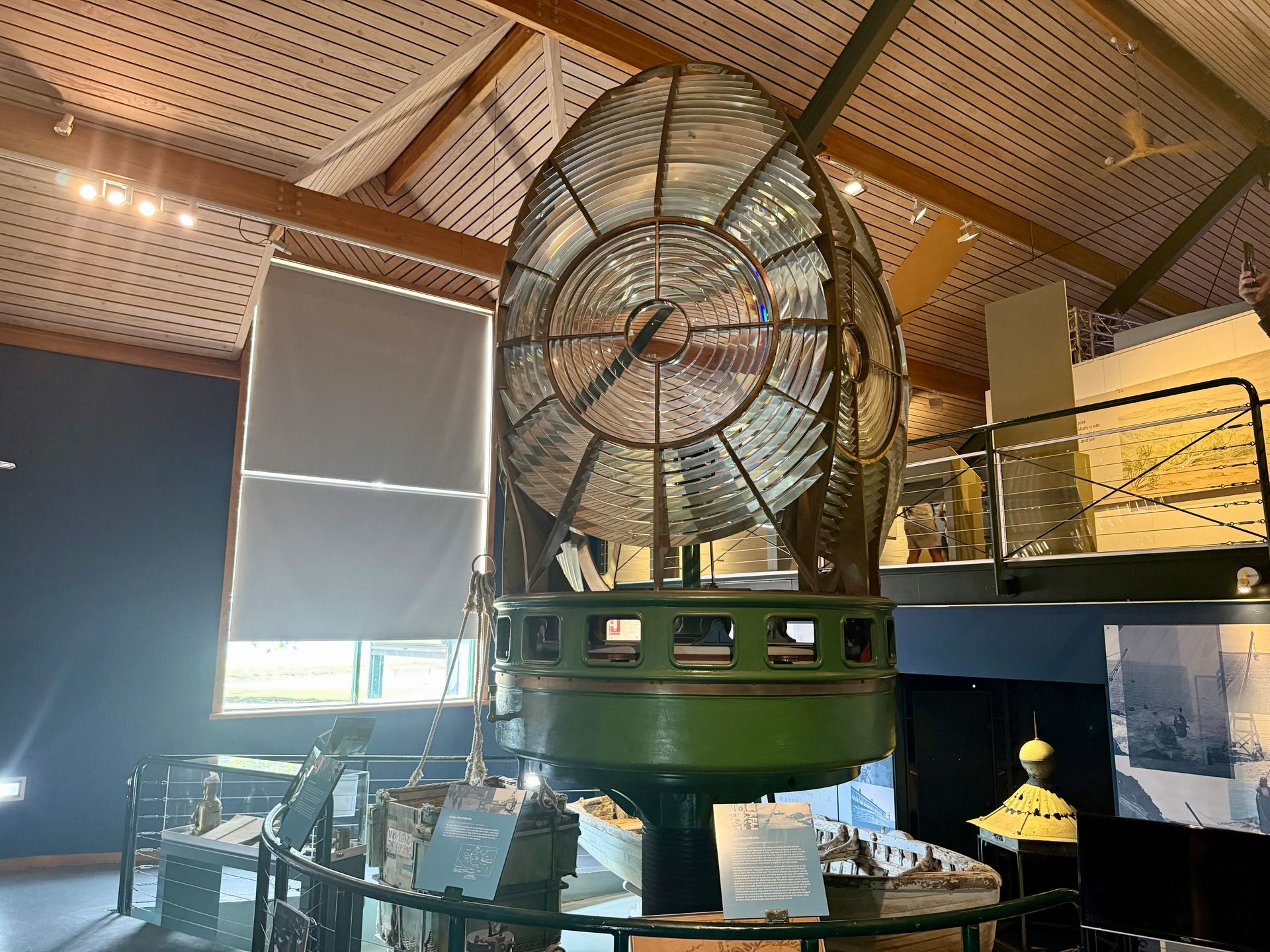
A beacon of maritime navigation history.
Story
Eclipse Island
A remote island shaped by wind and sea
Eclipse Island lies about eight kilometres south-south-west of Albany, rising steeply from the waters of the Southern Ocean. Although relatively small—around 2.2 kilometres long and about one kilometre wide—the island’s elevated summit reaches about 108 metres above sea level, making it highly visible from the surrounding waters. Its rugged cliffs and exposed position have long made it a striking feature of the coastline.
The island sits in a region known for powerful winds, rough seas and frequent rain. These harsh conditions shape both the landscape and the plant life found there. Much of the island is covered in low heath and herb-rich vegetation, plants specially adapted to survive strong coastal winds, salty air and shallow soils. In more sheltered areas, small stands of shrubs such as melaleuca grow, providing limited protection from the elements.
Despite the challenging environment, Eclipse Island supports a variety of wildlife. The surrounding waters are home to Australian sea lions and fur seals, which can sometimes be seen resting on the rocks along the shoreline. The island is also an important nesting site for seabirds. Species such as little penguins, shearwaters and petrels return each year to breed, using burrows and crevices in the island’s rocky terrain.
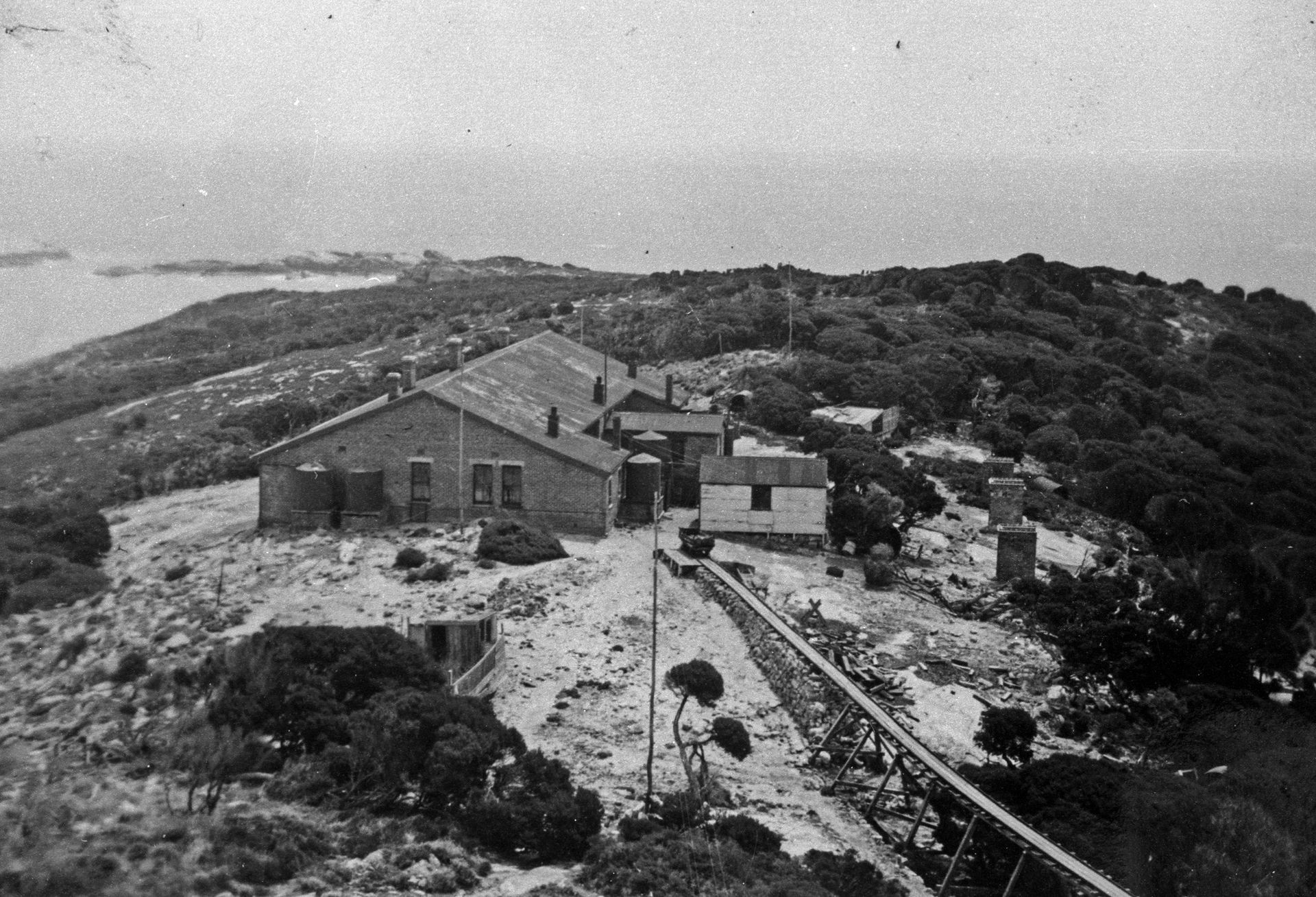
The island was first recorded by European explorers in 1791, when Captain George Vancouver noted the group of rocky islands while sailing along the southern coast. For many years afterwards the island remained largely untouched, visited only occasionally by sealers and fishermen. Permanent settlement did not occur until the construction of the lighthouse in the 1920s, when lighthouse keepers and their families began living on the island.
Today, Eclipse Island remains an important natural and historical landmark off the coast of Albany, representing both the wild character of the Southern Ocean and the human effort once required to make these waters safer for passing ships.
MAKE IT YOUR OWN
The story continues.
THERE’S ALWAYS MORE TO DISCOVER