

Story
Zuytdorp: Lost Without a Trace
The Mysterious Wreck and Enduring Legacy of a VOC Ship
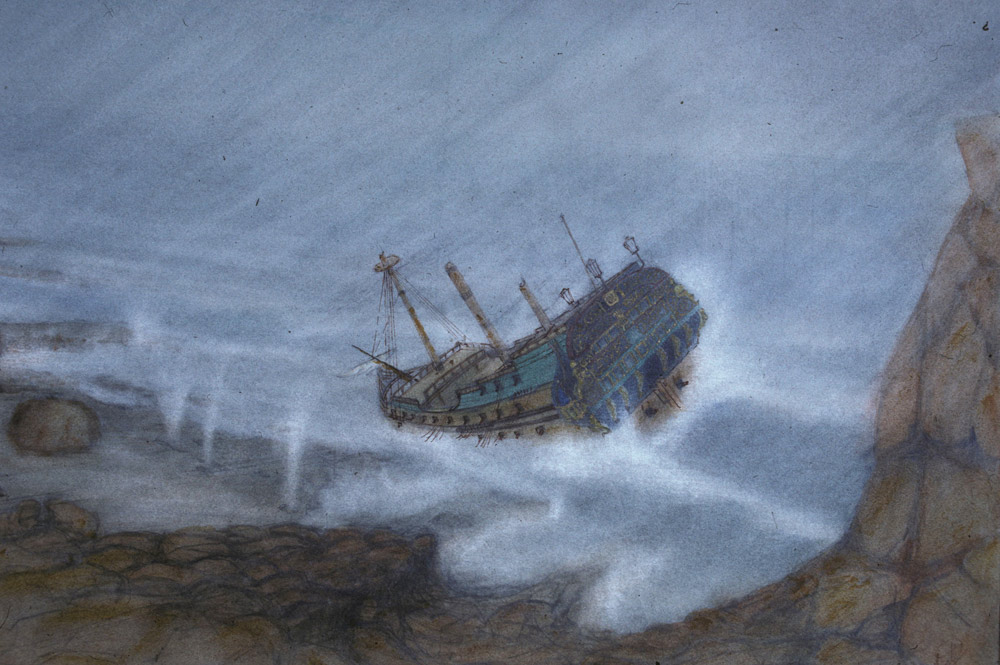
In the winter of 1712, the Dutch East India Company ship Zuytdorp vanished off the coast of Western Australia. Bound for Batavia (now Jakarta), carrying a valuable cargo, including a significant shipment of silver bullion, but no survivor ever reached their destination to report the ship’s fate.
Of all the known VOC and East India Company ships lost along this coastline, Zuytdorp is unique. There were survivors, but no one lived to tell the tale in Batavia. For centuries, the wreck lay undiscovered, its story unknown.
It wasn’t until the mid-20th century that the Zuytdorp’s location was confirmed at the base of remote cliffs north of Kalbarri. The site quickly proved treacherous: heavy seas, difficult access, and the fragile condition of the wreck made archaeological work challenging. In 1963, the Western Australian Museum took legal responsibility for the wreck and began salvage efforts focused on recovering the remaining silver, both to preserve the artefacts and to deter looters.
In the 1970s and ’80s, the site was monitored by full- and part-time watch keepers, including a local abalone fisherman. It wasn’t until 1986 that new underwater survey techniques, including aerial mapping and rapid-recovery diving, led to the successful retrieval of cannon, coins, lead ingots, and even delicate glassware.
But the story doesn’t end at sea. Archaeologists also turned their attention inland. Could the Zuytdorp survivors have lived for weeks, or months on land? Could they have connected with local Aboriginal people? Excavations at nearby sites revealed Aboriginal shell middens over 4,000 years old, and Dutch artefacts such as a tobacco box and coins found at waterholes suggest a cultural exchange may have taken place.
Today, the wreck of the Zuytdorp remains a site of archaeological interest, cultural speculation, and historical mystery. Its story is one of survival, silence, and a search that continues.
MAKE IT YOUR OWN